
BRITISH ASSOCIATION FOR PERFORMING ARTS MEDICINe
Latest News
Featured Articles
Medical Support for the Creative Sector
BAPAM are delighted to have developed a new partnership with Music Support, the charity that helps people who work in the music industry who are experiencing substance use, addiction and/or mental health challenges. You can read Georgina Levers Angell's words in Music...

Tips for Performing Arts Professionals Who Work Nights
Recognise the signs you may need support as a performer and learn how BAPAM’s free health service helps you stay healthy and perform at your best online here.

BAPAM’s Free Health Service Is an Essential Performing Arts Support
Recognise the signs you may need support as a performer and learn how BAPAM’s free health service helps you stay healthy and perform at your best online here.
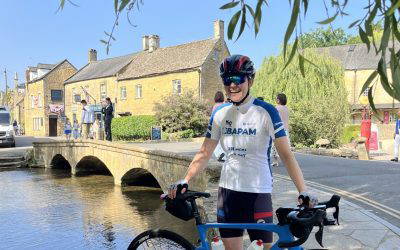
Pianist, Megan Rushbrook Cycles 255 Miles in 1 day for BAPAM
Megan Rushbrook has cycled 255 miles in one day, from Cardiff to the Suffolk Coast, raising over £1000 for the British Association for Performing Arts Medicine (BAPAM). An amazing achievement, and fantastic support for BAPAM's work building a healthier and more...
Supporting Carers in the Performing Arts (Carers Week 2025)
To celebrate Carers Week (9th to 15th June), BAPAM is spotlighting the challenges carers in the performing arts face and how to improve equality for them.

InTune: The New Digital Health and Wellbeing Tool from PRS Members’ Fund and BAPAM
PRS Members’ Fund, the charity that provides funding to PRS songwriters and composers during difficult times, and BAPAM, the UK experts in performing arts medicine, have partnered to launch a first of its kind digital tool to support the health and...
Standing with the LGBTQIA+ Performing Arts Community on May 17th
May 17th is the International Day Against Homophobia, Transphobia, and Biphobia (IDAHOBIT). Learn how BAPAM supports LGBTQIA+ performing artists online now.
Research Report: Music Industry Counsellors’ Experiences of Working with Clients Affected by Sexism or Misogyny
We are grateful to performing arts specialist psychotherapeutic counsellor, Janine Ellis, for contributing this guest article which reports on her research into music industry counsellors and psychotherapists’ experiences of working with clients affected by...
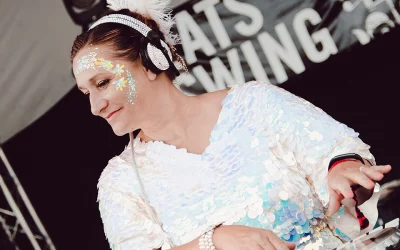
Perimenopause – A Performing Artist’s Perspective by Sophie Tott
Photo by Matt Forster: thisandmatt.co.uk In our guest blog, Sophie Tott aka DJ Tallulah Goodtimes shares her experience of perimenopause while working as a DJ, producer and artist. In her companion piece to Sophie's blog Dr June Sheren writes, "As a physician...
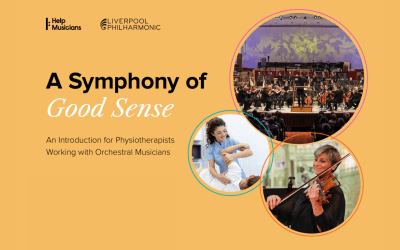
Liverpool Philharmonic and Help Musicians Launch Physio Toolkit Supporting Musicians’ Health and Wellbeing
Royal Liverpool Philharmonic has partnered with UK charity Help Musicians to launch ‘A Symphony of Good Sense’, a pioneering new toolkit designed to support the physical health and wellbeing of orchestral musicians. Authored by BAPAM clinician and educator, Dr Sarah...
All our Performing Arts Health News

How To Build Healthy Performance Training into your Day to Day Routine
Healthy performance training keeps your body and mind feeling its best while also helping prevent injuries and burnout. Discover more and how to get started here.
How Performance Psychology Helps Prevent Injury
Did you know that strategies for meeting the psychological demands of your rehearsal schedule, expectations, and performances can also help you avoid physical injury? Our guest blog from Dr Anna Waters this month looks at the role of Performance Psychology in injury...

Why Ongoing Performing Arts Healthcare Practitioner Training Is Crucial
Performing arts healthcare training in the UK helps professionals support the mental and physical health of artists. Learn more about the benefits online here.

Refocus: A Simple Exercise to Achieve Your Creative Potential
In the first of our new series of guest blogs, Performance Psychologist, Dr Anna Waters, shares a simple exercise to help performers refocus and achieve their creative goals. New Year resolutions not working? Performance psychology tips can be more effective than New...
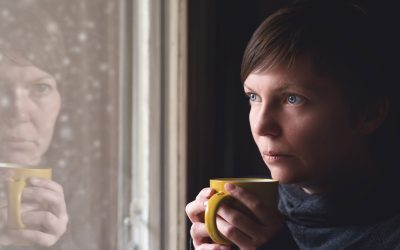
Short Days, Long Nights: How Performers Can Take Care in December
The dark winter days are here! How do you feel? The lack of light can affect how we think and feel. Read more about taking care of yourself in the winter here.

Support BAPAM and Listen to Rachel Hill’s Beautiful New Single
"BAPAM were there to provide support for me when I felt that every other avenue was unavailable.” Rachel Hill, Singer/Songwriter. We have been blown away by singer/songwriter Rachel Hill’s charity single “You Never Asked For This”, released in collaboration with...
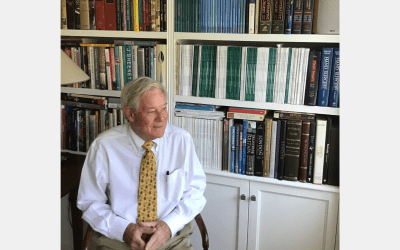
Ian Winspur, Obituary
We are saddened to announce the death of our trustee and colleague, Ian Winspur, who gave invaluable expertise and wisdom to BAPAM and our patients over many years. As an expert hand surgeon specialising in the care of musicians, Ian was a leader in the development of...

World Television Day: 5 Insider Tips For Working On Set
In honour of World Television Day, BAPAM shares five expert tips for staying healthy on TV sets. Learn how to thrive both on and off camera. Read more here.
40th Anniversary Press
We are thrilled to be celebrating BAPAM’s 40th anniversary in 2024. When the British Performing Arts Medicine Trust was founded in 1984 the vision was for doctors and health experts to work together with artists, researchers and educators to build a...

How to Practise Healthy Performance Training in the Winter
Do you have a healthy performance training routine for the winter? Check out BAPAM’s advice and health resources online today. Read more on the blog here.
Help keep BAPAM motivated for October!
75% of those working in the performing arts will face career-impacting physical or psychological health problems. Help BAPAM support a healthier, more sustainable creative sector.
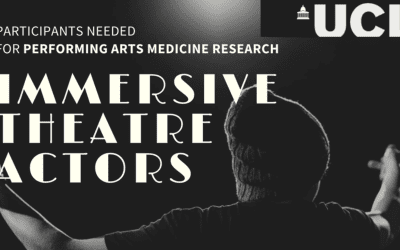
Research: Removing The Fourth Wall – The Impact of Immersive Theatre on Actors’ Wellbeing
Researchers at University College London (UCL) are looking for actors who are working or who have previously worked in the immersive theatre genre to take part in a research study. Participation involves completing an anonymous online survey...
GET IN TOUCH WITH US
Drop us a line
BAPAM is a Registered Charity No. 1167785
Contact us:
London Office
63 Mansell Street, London, E1 8AN